
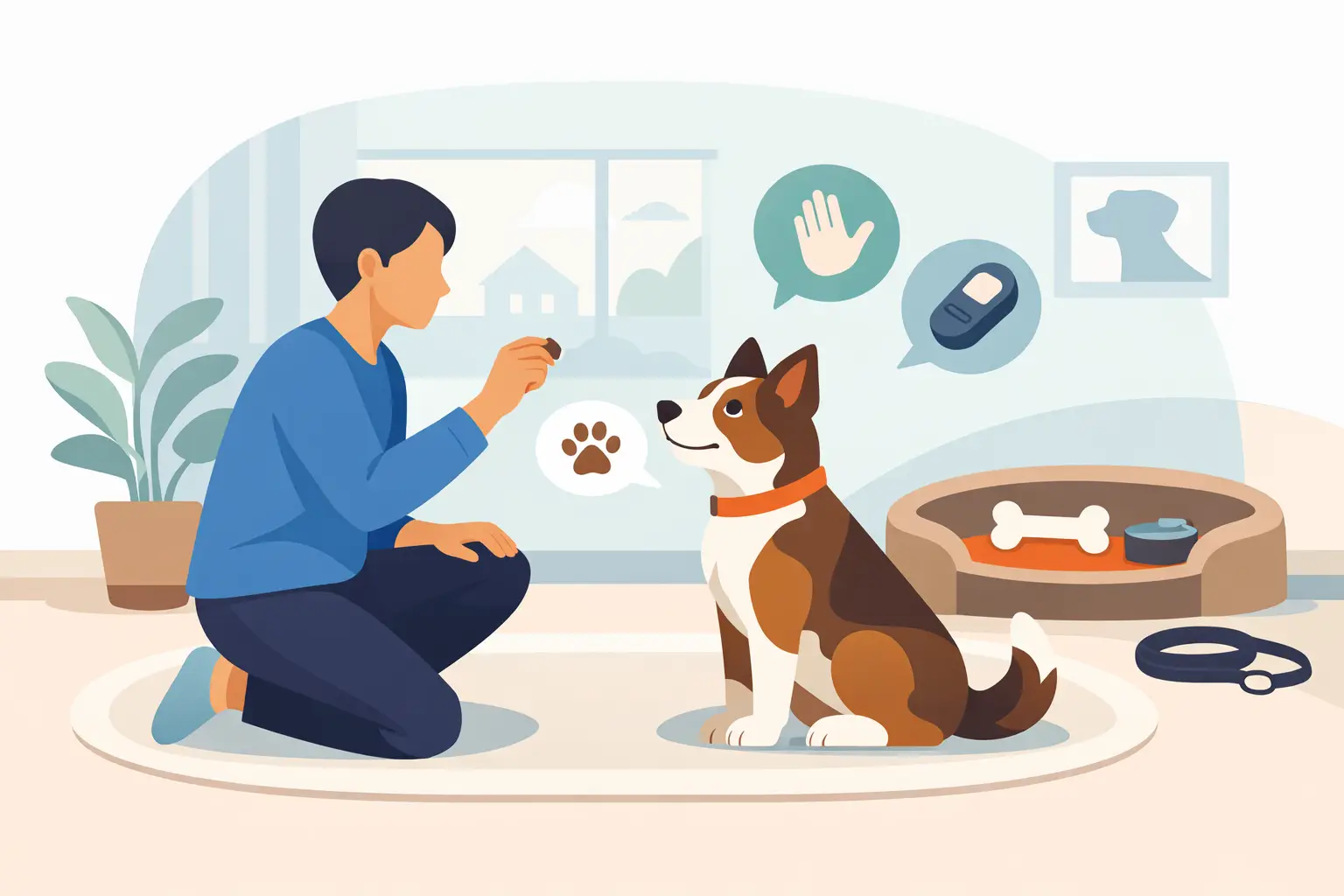
The first week with a rescue dog rarely looks the way people expect. You bring home a dog you want to help, and instead of instant gratitude, you may get pacing, accidents, barking, shutting down, or a dog that seems to ignore everything you say. That does not mean you made a bad choice. It means you need a clear plan to train rescue dog at home in a way that builds trust, creates structure, and produces real behavior change.
Rescue dogs often come with missing information. You may not know how they were raised, what they were punished for, whether they were under-socialized, or how many homes they have had. That is exactly why home training matters. Your dog is not just learning commands. Your dog is learning your routine, your expectations, and whether your home is predictable enough to feel safe.
Why rescue dogs need a different starting point
A rescue dog does not always need softer standards. What they need is clearer communication and better timing. Many new owners make one of two mistakes. They either give the dog too much freedom too fast, or they avoid structure because they do not want to add stress.
Both approaches usually backfire. Too much freedom creates confusion, accidents, and rehearsal of bad habits. No structure leaves the dog guessing. A trained dog is a happy dog because training removes uncertainty. It tells the dog how to succeed in your home.
That does not mean pushing too hard. Some rescue dogs warm up quickly. Others need several weeks before their real personality shows up. It depends on the dog’s age, history, energy level, and stress threshold. Your job is to be consistent enough that the dog can relax into the rules.
Before you train rescue dog at home, set up the environment
Good training starts before the first command. If your dog can race through the house, chew whatever is available, and practice ignoring you, progress will be slow. Management is not a shortcut. It is part of the system.
Start with a crate or clearly defined resting area, a leash for guided movement indoors, and a simple feeding and potty schedule. Keep high-value items out of reach. Limit access to one or two rooms in the beginning. If you have children or other pets, manage those interactions closely instead of hoping everyone works it out naturally.
This is especially important for busy homes in Los Angeles where schedules are packed and dogs are exposed to a lot of stimulation. If your dog is already stressed, adding constant noise, visitors, and unrestricted access can create behavior problems that look bigger than they really are.
The first goals are calmness, routine, and trust
Many owners want to jump straight into sit, stay, and come. Those matter, but they are not the first win. The first win is helping the dog settle.
Feed meals at consistent times. Take your dog out on a predictable potty schedule. Reward quiet behavior. Keep greetings calm. If your dog is nervous, avoid overwhelming outings for a few days. If your dog is energetic, do not confuse chaos with exercise. A dog that gets amped up all day is harder to train than a dog that learns how to turn off.
Trust is built through repetition. When your dog learns that food arrives on time, the leash means guidance instead of pressure, and your voice predicts clear outcomes, training starts to make sense. That is when obedience becomes much easier.
Housebreaking comes from schedule, not guesswork
Housebreaking is one of the biggest stress points with rescue dogs, especially when owners assume an adult dog should automatically know what to do. Many do not. Even if they were previously housebroken, a new home can reset the process.
Take your dog out first thing in the morning, after meals, after naps, after play, and before bed. Go to the same general potty area and wait long enough for success. When your dog goes outside, reward immediately. Be clear and consistent.
If accidents happen indoors, clean them thoroughly and tighten supervision. Do not punish after the fact. That only teaches the dog that your reactions are unpredictable. If your dog keeps having accidents, freedom is probably being given too early. Go back to closer management, shorter intervals between potty trips, and more direct reward for getting it right.
Start obedience with functional commands
At home, the best early commands are the ones that improve daily life right away. Sit helps with greetings and impulse control. Place teaches the dog to settle. Come improves connection. Leave it helps prevent trouble before it starts. Loose-leash walking begins even before you leave the house.
Keep sessions short. Five to ten minutes is enough if your timing is good. Use food, praise, and repetition. Mark the correct behavior the moment it happens, then reward. If the dog is confused, make the task easier instead of repeating the cue louder.
A proven system matters here. Dogs learn fastest when the picture is simple. Give one cue, help the dog succeed, and reward the right choice. That sounds basic because it is basic. The problem is that most owners become inconsistent when life gets busy. Consistency is what turns a smart idea into a reliable behavior.
How to handle common rescue dog behavior problems at home
Fear, reactivity, jumping, barking, and separation issues are common in rescue dogs, but they do not all have the same cause. That matters because the fix for one dog can make another worse.
A fearful dog does not need to be flooded with new experiences. They need controlled exposure and successful repetitions. A pushy, overexcited dog usually needs more boundaries and better impulse control. A dog barking at every outside sound may need management, redirection, and a stronger place command. A dog panicking when left alone may need a gradual departure routine, not just more exercise.
This is where owners can lose time by treating every problem as disobedience. Sometimes the issue is stress. Sometimes it is lack of clarity. Sometimes it is both. If your dog is struggling, look at what happens before the behavior, not just the behavior itself. That gives you a more accurate training plan.
Train rescue dog at home with realistic expectations
Progress is rarely a straight line. Your dog may do great for three days and then regress. That does not mean training failed. It usually means the dog was challenged beyond current skill level, got overtired, or experienced a change in routine.
Keep standards fair but firm. Reward what you want. Prevent what you do not want. Repeat until the dog understands. Then repeat more until the behavior holds up with distraction.
If your rescue dog is shy, your timeline may be slower. If your dog is confident but unruly, structure may produce improvement quickly. If there is a bite history, severe anxiety, or serious aggression, home training alone may not be enough. That is not a sign of failure. It is a sign to bring in experienced help before the problem gets rehearsed further.
Daily training should fit real life
The best training plan is one you can actually maintain. That means using everyday moments. Ask for a sit before meals. Practice place while you answer emails. Reward calm behavior when the doorbell rings. Use leash work when moving from room to room. Call your dog to you across the house and make it worth coming.
This is how dogs learn to fit into your lifestyle, not just perform in isolated sessions. For busy professionals and families, that matters. You do not need hours a day. You need a repeatable system that creates dependable habits.
At Smart Dogs, that practical approach is what gets proven results. Dogs do better when owners stop trying random tips and start using a method that makes sense in daily life.
When to ask for professional support
Some dogs improve quickly with consistency. Others need a more customized plan. If your dog is guarding food or space, showing intense reactivity on walks, having repeated housebreaking setbacks, or shutting down during training, it is smart to get guidance sooner rather than later.
Professional support can shorten the learning curve and help you avoid accidental mistakes that strengthen the very behavior you are trying to stop. The goal is not to hand off the process. The goal is to get clear direction so your work at home starts paying off faster.
Rescue dogs can become outstanding family dogs. They do not need perfect histories. They need leadership they can understand, repetition they can trust, and a home that rewards the right choices often enough for those choices to stick. Stay patient, keep the structure strong, and remember that every calm, clear repetition is teaching your dog what life with you is supposed to look like.
