
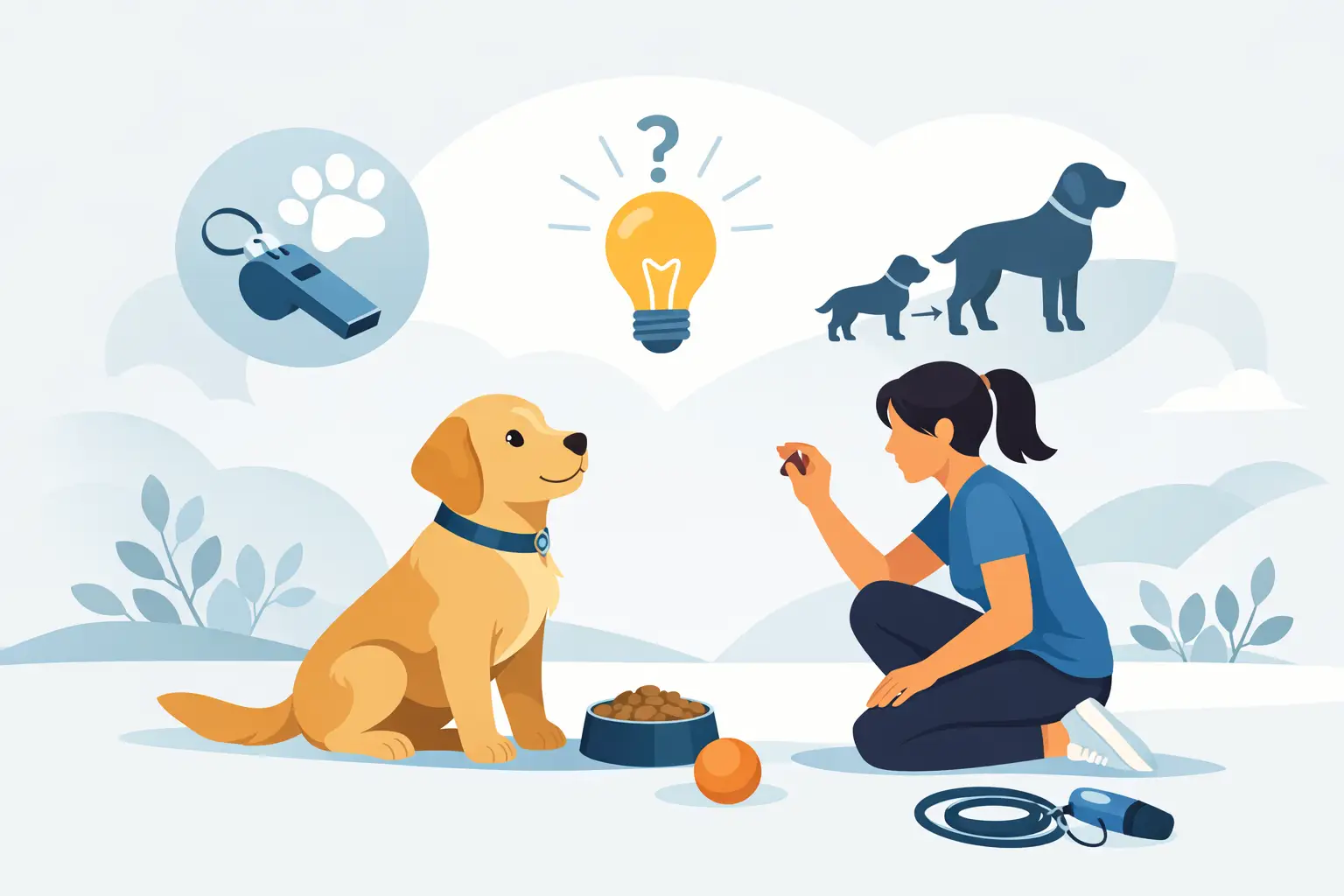
That first week with a puppy is when most owners realize the same thing: the training clock is already running. If you’re asking when should puppies start training, the short answer is immediately. Not with harsh corrections or long formal sessions, but with simple, structured lessons that teach your puppy how to live in your home from day one.
Puppies are learning whether you teach them intentionally or not. They are learning what gets attention, where to potty, how to respond to people, and whether boundaries are real. Waiting until a puppy is older often means spending extra time undoing bad habits that could have been prevented early.
When should puppies start training by age?
Puppies can start training as soon as they come home, which is often around 8 weeks old. At that age, they are absolutely capable of learning their name, coming when called, following food lures, sitting for attention, settling in a crate, and beginning housebreaking. They do not need to be older to start. They need the right expectations.
This is where many owners get mixed messages. Some people hear that puppies are too young to train until 6 months. That is far too late to begin the basics. By 6 months, your puppy is bigger, stronger, more independent, and often rehearsing behaviors you do not want. Early training does not mean demanding perfection from a baby dog. It means shaping routines, rewarding good choices, and building communication early.
A better way to think about it is this: formal difficulty should match age, but training should start right away. An 8-week-old puppy can learn plenty. A 16-week-old puppy can handle more distractions and longer sessions. An adolescent dog needs consistency and follow-through because testing boundaries is normal at that stage.
What to teach first when puppies start training
The first stage of puppy training should focus on life skills, not tricks for show. Owners usually get the best results when they start with the behaviors that matter every single day.
Housebreaking belongs at the top of the list. Your puppy needs a predictable potty schedule, supervision indoors, and immediate reinforcement for going in the right place. Crate training matters for the same reason. A properly introduced crate supports potty training, rest, travel, and household management.
Name recognition is another early priority. If your puppy does not orient to you when you say their name, everything else gets harder. The same goes for coming when called. A reliable recall starts small, inside the house, with short distances and generous rewards.
You also want to begin marker-based learning early. That can be as simple as rewarding the instant your puppy makes a good choice. Sit, down, leash pressure, handling tolerance, and calm greeting behavior all fit naturally into those first weeks.
Socialization should be part of training too, but this is where nuance matters. Good socialization is not letting your puppy meet every dog and every person. It is helping your puppy experience the world safely and confidently without becoming overwhelmed. Calm exposure to sounds, surfaces, traffic, kids, grooming, and new environments is far more valuable than chaotic overstimulation.
Why early training works better
Young puppies are impressionable. That is an advantage if you use it well. They are forming patterns quickly, and those patterns become the foundation for future behavior.
When owners start early, they usually prevent more problems than they have to fix later. Jumping, mouthing, barking for attention, leash biting, accidents in the house, and refusal to settle often grow because they are unintentionally reinforced. A puppy who learns from the beginning that calm behavior earns rewards tends to develop better household manners.
Early training also reduces owner stress. That matters more than people realize. Families and busy professionals do better when the plan is clear and manageable. A puppy who understands routines is easier to live with, and that consistency helps everyone stay on track.
A trained dog is a happy dog because clear structure lowers confusion. Puppies do not need a household full of mixed messages. They need simple rules, repetition, and fair feedback.
How long should puppy training sessions be?
Short is better. Most young puppies learn best in sessions that last a few minutes at a time, repeated throughout the day. Five focused minutes can accomplish more than twenty minutes of frustrated repetition.
Training should fit into normal life. Ask for a sit before meals. Practice name recognition in the hallway. Reward quiet behavior in the crate. Call your puppy cheerfully from one room to another. That is how dependable behavior is built in real homes.
This practical approach works especially well for Los Angeles dog owners with busy schedules. You do not need a huge block of free time. You need consistency, timing, and a system that makes sense.
When should puppies start training classes?
Puppies can usually begin age-appropriate training classes soon after coming home, as long as the environment is clean, well-managed, and designed for young dogs. Many veterinarians and trainers support starting puppy classes before the full vaccine series is complete, with proper safety protocols in place, because the socialization window is too important to waste.
That said, not every class is a good class. The right program should be structured, supervised, and focused on practical outcomes. Free-for-all play is not the goal. Puppies need guided exposure, confidence-building, and early obedience foundations.
For some dogs, private training is the better starting point. That is especially true for owners who want a faster path to housebreaking, crate success, nipping control, and reliable obedience at home. One-on-one coaching can also help families avoid common mistakes before they become ingrained.
Signs your puppy is ready for more
Puppies do not all mature at the same speed. Some are bold and highly food-motivated. Others are sensitive, distracted, or slower to recover from new experiences. Good training adjusts to the dog in front of you.
Your puppy is ready for the next step when they can respond consistently in a low-distraction setting, recover quickly if they get confused, and stay engaged for brief sessions. If your puppy falls apart the moment the environment gets harder, that is not failure. It just means you moved ahead too fast.
Progress should be built in layers. First teach the skill clearly. Then add duration, distance, or distraction one at a time. This is how you get proven results instead of random success.
Common mistakes owners make when starting puppy training
The biggest mistake is waiting. The second is being inconsistent. Puppies learn from repetition, so if jumping is cute one day and corrected the next, the lesson is unclear.
Another common problem is asking for too much too soon. Owners sometimes expect long stays, perfect leash walking, or full reliability around distractions before the puppy understands the basics. That creates frustration on both sides.
There is also the issue of accidental reinforcement. If barking gets attention, if mouthing starts play, or if pulling gets the puppy where they want to go, those behaviors are being practiced successfully. Dogs repeat what works.
Finally, many owners focus on commands but neglect lifestyle skills. A puppy that can sit on cue but cannot settle, tolerate handling, or stay calm when guests arrive still needs training where it counts most.
A realistic puppy training timeline
From 8 to 10 weeks, focus on bonding, housebreaking, crate comfort, name recognition, handling, and short recall games. Keep the world positive and manageable.
From 10 to 16 weeks, expand socialization carefully and continue foundational obedience. This is a key period for exposure, confidence, and preventing fear-based habits.
From 4 to 6 months, increase expectations gradually. Leash manners, place work, impulse control, and more reliable responses become more realistic, though consistency is still everything.
After 6 months, adolescence often changes the picture. Puppies may act like they forgot what they learned. They usually did not. They are testing limits, noticing more distractions, and becoming more independent. This is where follow-through matters most.
At Smart Dogs, we see this pattern often: owners who start early usually need refinement, while owners who wait often need repair work. Both can improve, but prevention is faster than cleanup.
So when should puppies start training?
They should start the day they come home. Not because your puppy needs pressure, but because your puppy needs direction. The best training starts early, stays simple, and builds useful behavior that fits everyday life.
If you give your puppy clear structure now, you are not just teaching commands. You are shaping the dog you will live with for years. Start small, stay consistent, and remember that every calm, correct repetition is building the kind of home life most owners actually want.
