
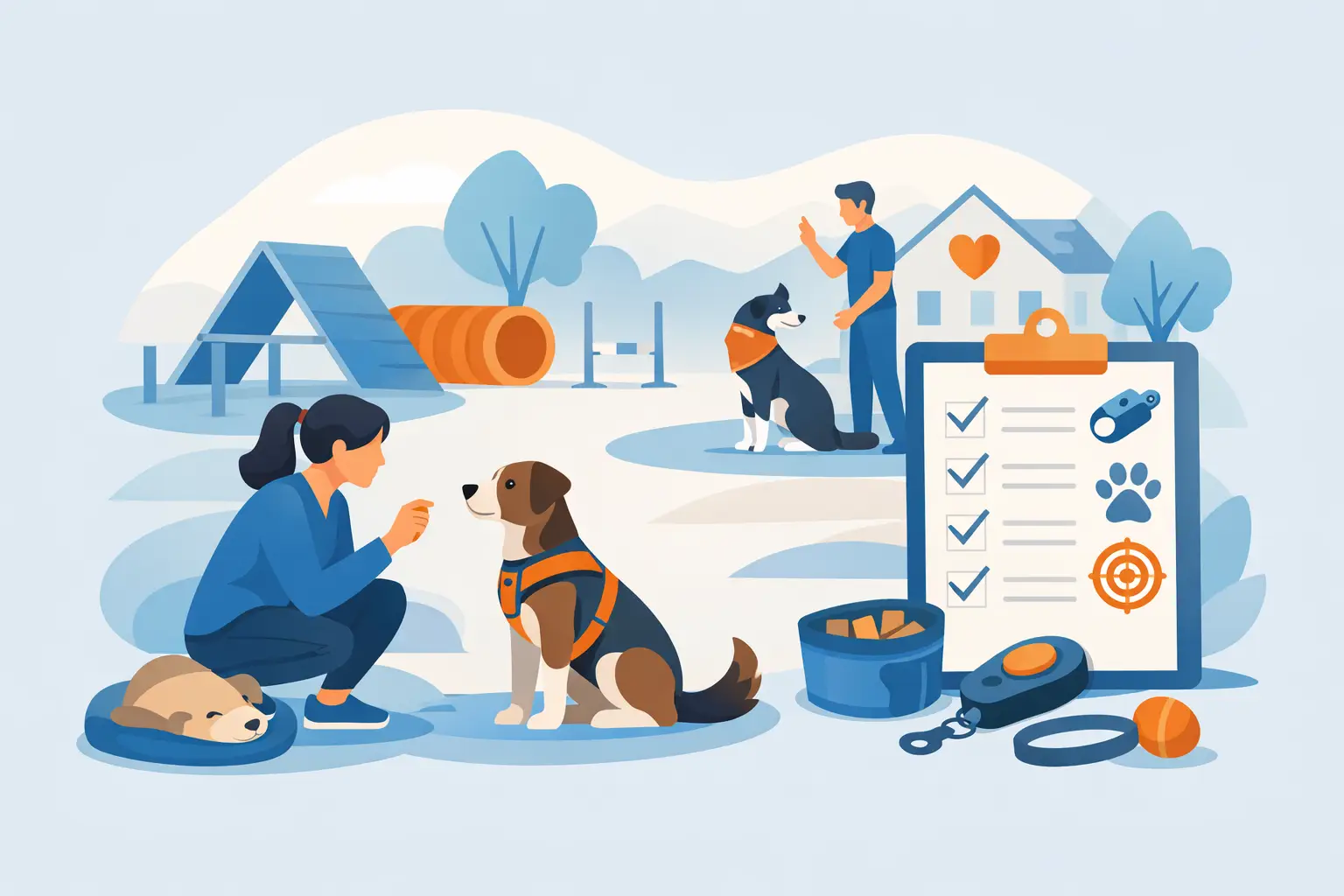
Bringing home a rescue dog can feel rewarding and chaotic in the same week. One day your dog is quiet and shut down, and the next day they are barking at the front window, ignoring their name, or having accidents in the house. That is exactly why the best training plan for rescue dogs is not a rushed obedience checklist. It is a structured plan that builds trust first, then clarity, then reliability.
Rescue dogs do not all come with the same history. Some were under-socialized. Some were bounced between homes. Some learned bad habits because nobody showed them a better option. Others are wonderful dogs who simply need a consistent routine. The mistake many owners make is expecting fast results without first giving the dog a framework that feels safe and predictable.
What makes the best training plan for rescue dogs work
A good rescue dog training plan is practical, not sentimental. Your dog needs clear rules, repetition, and calm leadership. Positive reinforcement matters, but so does structure. If you reward good choices yet allow constant rehearsal of bad ones, progress stalls.
The best plans focus on everyday life. That means housebreaking, crate comfort, leash manners, recall, settling in the home, and polite behavior around people. Fancy tricks can come later. For most families in Los Angeles and other busy urban areas, the real goal is simple: a dog that can handle normal life without constant stress.
It also helps to accept that rescue dogs often show their real personality in stages. The first few days may look quiet. By week two or three, more energy, anxiety, or stubbornness can surface. That does not mean training is failing. It usually means the dog is starting to settle in enough to test boundaries and express needs.
Start with decompression, not pressure
The first phase of the best training plan for rescue dogs is decompression. This usually lasts a few days to a few weeks, depending on the dog. During this phase, your job is to reduce confusion and prevent overload.
Keep the environment simple. Limit free roam at first. Use a crate, playpen, or leash indoors when needed so the dog is not practicing destructive behavior, marking, or frantic pacing. Keep greetings calm. Avoid crowded events, dog parks, and constant visitors until your dog shows signs of stability.
This does not mean doing nothing. It means being deliberate. Feed on a schedule, take regular potty breaks, and begin teaching the dog that calm behavior earns attention, food, and access. Dogs settle faster when life becomes predictable.
The first 7 to 14 days
Focus on routine over performance. Wake up, potty, meals, short walks, rest, and quiet training sessions should happen in roughly the same pattern each day. That consistency lowers stress and gives you a better read on what your dog actually needs.
During this time, watch body language closely. A dog that avoids eye contact, startles easily, refuses food, or shuts down on walks needs a slower approach. A dog that barrels through doors, jumps on guests, or guards toys needs management right away, but still benefits from the same clear routine.
Build trust through simple wins
Trust is not built by babying a rescue dog. It is built by being consistent and fair. If you call your dog, make it worth coming to you. If you ask for calm, do not reward frantic behavior. If you set a boundary, keep it the same tomorrow.
Start with marker-based training using food, praise, or play. Teach the dog that hearing a marker word such as yes means they got it right. Then pair that with useful behaviors: eye contact, name recognition, sit, down, place, crate entry, and leash check-ins. Short sessions work best. Five focused minutes can do more than a long, sloppy session that leaves everyone frustrated.
For many rescue dogs, hand-feeding part of their meals during training helps speed up engagement. It turns you into a reliable source of good things and teaches the dog to work calmly around you. That can be especially helpful with shy dogs or dogs that have learned to tune people out.
Train the skills that matter most at home
A rescue dog does not need a complicated program on day one. They need functional obedience that makes daily life easier. That is where proven results come from.
Housebreaking and crate training
Even if the shelter said your dog was housebroken, assume they need a refresher. New environments change behavior. Take your dog out on a schedule, reward immediately after they finish outside, and supervise closely indoors. Too much freedom too early is one of the fastest ways to create setbacks.
Crate training should be calm and gradual. The crate is not punishment. It is a management tool and a place to relax. Feed meals near or inside it, use short crate sessions during the day, and build duration slowly. A dog that can settle in a crate usually adjusts better to home life overall.
Leash manners and recall
Most rescue owners feel the stress of the walk before anything else. Pulling, lunging, freezing, or reacting to other dogs can turn a simple outing into a daily battle. Start in low-distraction areas and teach the dog that staying connected to you pays well.
Reward check-ins, loose leash movement, and calm responses to triggers at a distance. Do not rush into busy sidewalks if your dog cannot handle a quiet street yet. Good leash training is built in layers.
Recall should start indoors or in a secure area. Call once, reward heavily, and avoid using the command when you cannot enforce it. If your dog learns that coming to you ends all fun, recall gets weaker. If your dog learns that coming to you leads to praise, food, and more freedom, it gets stronger.
Place, settle, and impulse control
For busy households, place training is one of the most useful skills you can teach. It gives the dog a clear job when guests arrive, dinner is being made, or the family needs a break from constant movement. A dog that understands how to settle is easier to live with and usually less anxious.
Impulse control also matters. Waiting at doors, sitting before meals, and pausing before jumping out of the car all teach the same lesson: calm behavior gets access. A trained dog is a happy dog because structure removes confusion.
Adjust the plan to the dog in front of you
This is where experience matters. The best training plan for rescue dogs is never one-size-fits-all. A fearful dog needs confidence-building and slower exposure. An overexcited adolescent needs stricter management and more consistency. A dog with separation distress needs a careful alone-time plan, not just more exercise.
If your rescue dog is struggling with resource guarding, severe reactivity, bite history, or panic behaviors, get professional help early. Waiting usually allows the behavior to become more rehearsed and harder to change. A results-driven trainer can shorten the learning curve and help you avoid common mistakes.
There are trade-offs here. Going too fast can create setbacks. Going too soft can leave the dog without boundaries. The right balance is supportive but clear. You want a dog that feels secure, not a dog that runs the household.
A realistic weekly structure
Most owners do best with a repeatable plan rather than random training bursts. Aim for two or three short obedience sessions a day, regular potty and feeding times, and one or two structured walks built around training rather than pure exercise. Add brief crate or settle periods so the dog learns how to turn off, not just how to stay active.
Progress should be measured in behavior, not emotion. Your dog may still seem unsure in some situations while clearly improving in others. Look for practical wins: fewer accidents, better response to their name, easier walks, shorter recovery after distractions, and more calm behavior in the home.
That is how real training works. It is not dramatic. It is steady.
When owners usually get stuck
The most common problem is inconsistency. One family member allows jumping while another corrects it. The dog gets treats for coming sometimes, and gets ignored other times. Walk rules change daily. Dogs learn patterns fast, and mixed messages slow everything down.
The second problem is giving freedom before the dog has earned it. If your rescue dog cannot settle, is still having accidents, or ignores basic commands, they do not need more unsupervised access to the couch, the house, or the neighborhood. They need more guidance.
The third problem is expecting gratitude instead of training. Rescue dogs are not being difficult to spite you. They are responding to stress, habit, genetics, and the environment you provide now. Once you shift from emotion to structure, results come faster.
Smart Dogs has seen this repeatedly with new rescue owners: when the plan gets simpler, clearer, and more consistent, the dog improves.
The right rescue dog training plan does not try to fix everything in a weekend. It creates calm routines, teaches useful commands, and builds reliable behavior one repetition at a time. Give your dog clarity, keep your standards fair, and remember that steady progress is what changes life at home.
